Black Mold?
Don't Take Chances! Call the Top Black
Removal Company in Auburn and get cleaned up FAST!



Why Choose Us?
- Certified Pros
- Available 24/7/365
- Rapid Response
- Fully Licensed And Insured
- We Work With Your Insurance Company
Call Now (253) 270-8270
Professional Mold Removal in Auburn, WA
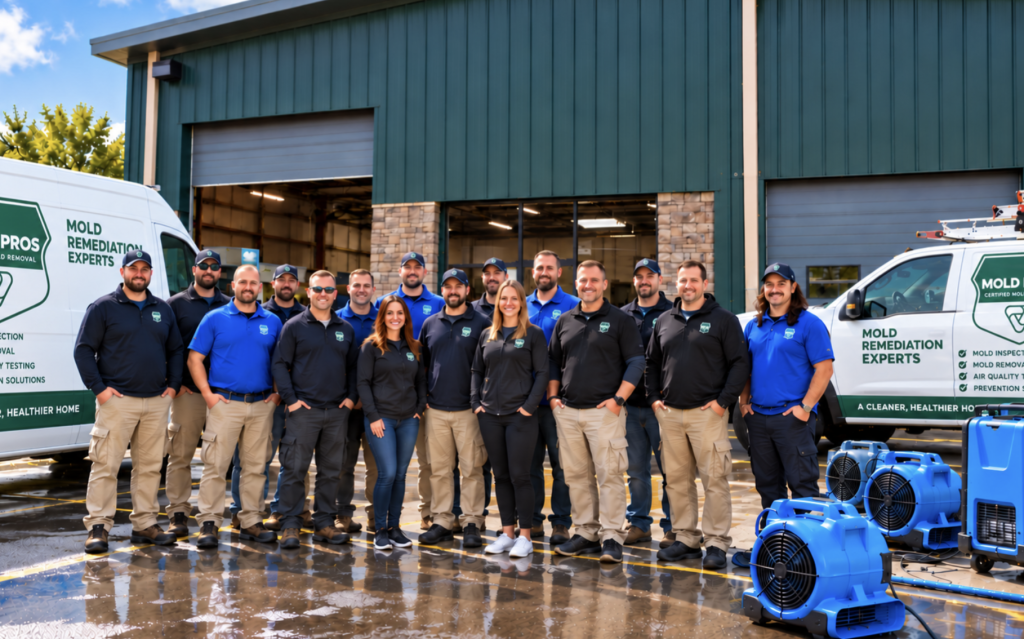
Mold in a home or business needs more than a surface wipe. Auburn Mold Remediation Pros finds the affected materials, controls the work area, and removes or cleans materials based on their condition. We protect unaffected spaces with containment and HEPA filtration while addressing the moisture problem behind the growth. Our goal is to leave you with a cleaner, safer work area and a clear scope for any separate repairs.
What Happens During Mold Removal?
We begin by reviewing what you noticed and where moisture entered the building. Common sources include roof leaks, plumbing leaks, appliance leaks, bathroom ventilation problems, condensation, and damp building materials. We look at nearby drywall, insulation, carpet, subflooring, framing, and other surfaces for visible or hidden impact. This first review helps define the work area and keeps the cleanup focused.
We then protect areas that do not need treatment. Containment means using plastic walls or barriers to keep mold dust from spreading into clean rooms. HEPA air scrubbers filter fine particles from the air while work is underway. Our team uses appropriate protective equipment and works carefully around furnishings, finishes, and building access points.
Porous materials receive different treatment from hard surfaces. Drywall, insulation, carpet, and some subflooring can absorb moisture and hold growth below the visible surface. Affected porous materials often need careful removal rather than simple wiping. Framing, concrete, tile, and other hard surfaces receive cleaning when their condition allows it.
We control dust during removal and keep affected materials contained as they leave the work area. The moisture source must also be corrected so the cleaned area does not remain damp. Plumbing, roof, appliance, ventilation, and other source repairs are separate work unless specifically included in the project scope. Do not paint over visible mold before the affected materials and moisture source are addressed.
What’s Included
Our mold cleanup scope focuses on controlling the affected area and treating materials that can be safely cleaned. We explain the work area before removal begins and protect nearby unaffected spaces. The exact scope depends on the affected materials, access, moisture source, and size of the problem. Services commonly include the following work:
- Containment and protection of nearby unaffected areas.
- HEPA air filtration, controlled removal, and careful handling of affected materials.
- Cleaning of appropriate hard surfaces and removal of porous materials that cannot be adequately cleaned.
Homes, apartments, condos, offices, schools, churches, medical facilities, retail properties, and industrial properties can have different access and containment needs. A bathroom wall may require a smaller controlled area than a commercial room with shared air movement. Attics, crawl spaces, and below-grade areas also have different material and access concerns. We shape the work around the building instead of treating every room the same way.
What’s Not Included
Mold remediation does not automatically include rebuilding or repairing the cause of the moisture. Plumbing repairs, roof repairs, appliance repairs, drainage work, and ventilation changes are separate from mold cleanup. Replacing drywall, flooring, insulation, trim, or other finishes after removal also requires a separate reconstruction scope. We explain these boundaries before work begins so you know what the cleanup addresses.
- Structural rebuilding or finish replacement after affected materials are removed.
- Plumbing, roofing, appliance, drainage, or ventilation repairs that caused the moisture.
- Independent mold testing or laboratory identification.
We do not perform mold testing. Independent testing or assessment can help when the extent or type of a concern needs outside documentation. Color alone does not identify a mold species, including what people commonly call black mold. For warning signs, immediate steps, and limits of do-it-yourself cleanup, visit our mold warning signs page.
Which Materials Need Cleaning or Removal?
Drywall is often removed when moisture and growth extend behind the visible face. Insulation and carpet can hold dampness and particles, so they require careful evaluation before cleaning is considered. Subflooring and framing need attention when leaks have continued or materials remain damp. The affected area, not the color of the growth, guides the work decision.
Hard materials can sometimes be cleaned when they are stable and accessible. Concrete is porous; glazed tile and metal have less absorbent surfaces. Joints, backing materials and existing finishes still require close attention. Even these materials still need source control and controlled cleaning. We avoid disturbing affected surfaces unnecessarily because uncontrolled disturbance can spread dust into clean areas.
Attics and crawl spaces bring additional access and airflow concerns. Roof leaks, bathroom vents that do not exhaust properly, and damp building materials can affect attic areas. Crawl space moisture can keep joists and subfloors damp when airflow or moisture control is poor. We use containment and filtration based on the work area rather than assuming a single method fits every location.
How Auburn Buildings Shape the First Visit
In Auburn, we look closely at the moisture conditions that affect homes and businesses. Roof leaks can wet ceilings and attic materials, while plumbing and appliance leaks often affect cabinets, walls, floors, and nearby finishes. Bathroom ventilation and condensation can leave repeated moisture on walls, windows, ducts, or other cold surfaces. These details help us trace the affected area without treating every visible spot as an isolated problem.
A home cleanup often centers on occupied rooms, stored belongings, and limited access around furniture. Commercial work may involve shared rooms, operating areas, customer spaces, or larger air paths. Schools, medical facilities, offices, and retail properties may need careful separation between the work zone and areas still in use. We plan containment around how the building is used and where people need to move.
Our company serves Auburn, Washington, from 201-205 S Division St, Suite #219, Auburn, WA 98001. We are IICRC certified and BBB Registered. We explain the cleanup plan, protect nearby spaces, and base the scope on the affected materials.
How Much Does Mold Remediation Cost?
There is no reliable final price from a photograph or a mold color. Actual mold remediation costs vary based on affected materials, work-area size, containment needs, access, and the moisture source. A final scope and price require an inspection of the affected area. Larger areas, hidden moisture, difficult access, and extensive porous-material removal usually require more labor and protection.
We separate cleanup from reconstruction when describing the project. This helps you see which work addresses mold and which work restores removed finishes. A small visible area can still need a broader review if moisture traveled behind walls or beneath flooring. The condition of the materials matters as much as the size of the visible spot.
Arrange Mold Cleanup in Auburn
If you see recurring growth, smell a persistent musty odor, or find wet building materials, call Auburn Mold Remediation Pros at (253) 270-8270. We will discuss what you noticed, where the moisture occurred, and which areas appear affected. If active water is present, shut off the source when it is safe to do so before the visit. We will explain the cleanup scope, containment needs, material decisions, and separate repair boundaries.
Frequently Asked Questions
Can mold be cleaned from drywall?
Drywall can require removal when moisture or growth extends into the material. Surface wiping does not address hidden impact inside porous drywall. The decision depends on the condition, depth of moisture, and affected work area. Painting over it does not solve the moisture or mold problem.
Does black mold always mean a more dangerous mold problem?
No, color alone does not identify a mold species. People commonly use the term black mold for dark-colored growth, but appearance is not a reliable identification method. The cleanup decision is based on affected materials, moisture, and the work area. We do not perform mold testing.
Can we stay in the building during mold removal?
Occupancy depends on the work area, containment, access, and how air moves through the building. A small isolated area differs from a larger project involving shared rooms or occupied business space. We explain how the planned work affects nearby areas before removal begins. Follow any work-area restrictions provided for the project.
Will mold return after cleanup?
Mold can return if the moisture source remains or materials stay damp. Roof leaks, plumbing leaks, appliance leaks, poor ventilation, and condensation all need attention. Mold cleanup addresses affected materials, while source repairs are separate work. Keeping wet areas dry and correcting the cause helps protect the cleaned space.